Build a Recommendation System That Actually Knows YOU
⏱ 35–40 minutes
Your Superpower
Knowing what you truly like and why
Self-awareness about your own patterns
Understanding context and mood
Honest self-reflection
Algo's Superpower
Spotting patterns in massive data
Comparing millions of preferences
Making predictions based on patterns
Never forgets a data point
Together
A recommendation system that feels like it reads your mind
Deeper understanding of why you like what you like
AI that serves YOUR interests, not just the platform's
What You'll Need
Paper and pen for your preference map
20 things you can rate (songs, books, games, videos, foods—mix it up!)
Your AI Training Toolkit
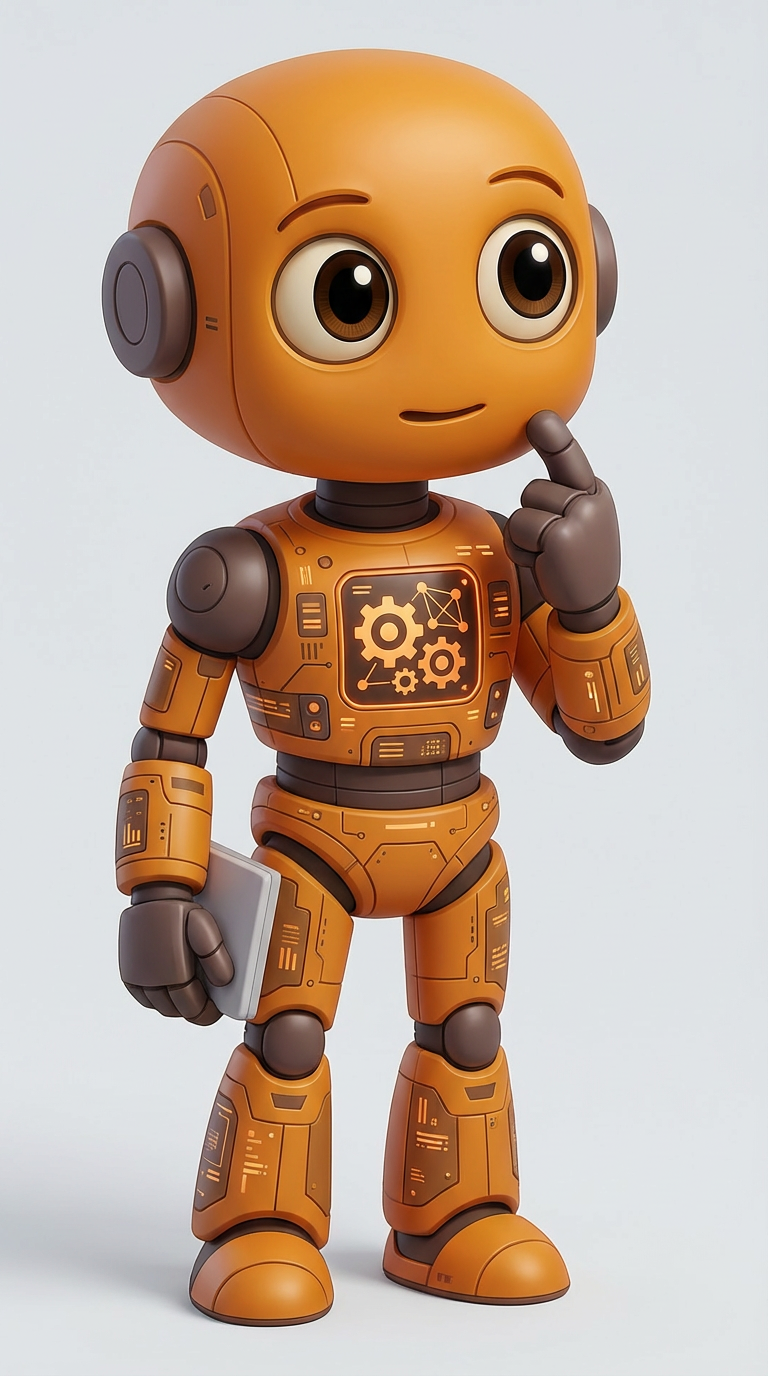
Algo (your AI pattern expert)
Honest self-awareness
35–40 minutes of focused time
Optional: Access to a recommendation system you use (YouTube, Spotify, Netflix—with parent permission)
1
Create Your Preference Map
15 minutes — Deep Self-Reflection
Grab your paper and create a table with 3 columns: ITEM, RATING (1-10), and WHY?
Make 20 rows (you'll rate 20 different things).
COLUMN 1 — THE ITEM:
List 20 different things across categories. Variety is KEY—Algo learns better from diverse data.
4–5 songs (different genres if possible)
4–5 books or movies (different types)
4–5 games or activities
4–5 foods
2–3 YouTube channels or content creators
Mix things you LOVE with things you DON'T like—Algo learns from both!
COLUMN 2 — YOUR RATING (1-10):
Be brutally honest! This is YOUR preference map.
9–10 = Love it, would choose it constantly, makes me genuinely happy
7–8 = Really enjoy it, would choose it often, solid like
5–6 = It's okay, neutral, might choose it sometimes, meh
3–4 = Don't really like it, would avoid if possible, not for me
1–2 = Really dislike it, would never choose it, actively avoid
Encourage your child to use the FULL range! If everything is 7–10, Algo can't find patterns. Including some low ratings is important for the exercise.
COLUMN 3 — WHY? (This is the MAGIC part!)
This is where you teach Algo the PATTERNS behind your preferences.
Don't write: "I like it" or "It's good" (too vague!)
DO write: What SPECIFICALLY makes you rate it that way.
Good "why" entries:
Harry Potter series — 10: "Complex world-building that rewards re-reading, characters who grow and change realistically over 7 books, mysteries that keep me guessing, magic feels like it has rules and consequences not just random power, themes about choice and courage resonate deeply"
Broccoli — 4: "Texture is mushy which I hate, but taste is tolerable with cheese sauce, I know it's healthy so I eat it anyway, would never choose it voluntarily, smell when cooking is unpleasant"
Minecraft — 9: "Infinite creative freedom—I'm in control, I control the pace (relaxing OR challenging depending on my mood), playing with friends is social without being competitive pressure, building something over time feels rewarding"
Modern pop music — 3: "Lyrics feel repetitive and predictable, instrumental variety is low, too much electronic processing makes voices sound fake, themes don't relate to my actual life"
Portal 2 — 10: "Puzzles require creative thinking not just fast reflexes—I feel smart when I solve them, humor is clever and surprising, difficulty curve is perfect, story has real emotional depth that surprised me"
See the difference? You're teaching Algo the FEATURES that matter to you:
Complexity vs. simplicity
Challenge vs. ease
Social vs. solo experiences
Predictable vs. surprising
Fast-paced vs. controlled tempo
Emotional depth vs. surface fun
Creative freedom vs. structured rules
Real-world connection vs. fantasy escape
Fill in all 20 items on paper with detailed "why" explanations. Take your time! The more specific you are, the better Algo can learn YOUR unique patterns. Use the boxes above for your first few, then continue on paper.
2
Identify YOUR Personal Preference Patterns
5 minutes — Pattern Detective
Now look at your complete preference map and find YOUR patterns.
Read through your "why" explanations. Look for words or themes that appear multiple times.
What do your HIGH-RATED items (7–10) have in common?
Do they challenge me intellectually?
Do they relax me emotionally?
Do they let me be creative?
Do they tell compelling stories?
Do they have great music/visuals?
Do they make me laugh?
Do they teach me things?
Do they give me control?
What do your LOW-RATED items (1–4) have in common?
Are they boring or too simple?
Are they too complicated or frustrating?
Are they the wrong energy level?
Wrong emotional tone?
Too predictable?
Too repetitive?
Don't connect to my life?
What seems to matter MOST to you across different categories?
Creativity and self-expression?
Intellectual challenge and problem-solving?
Social connection and community?
Emotional depth and meaning?
Technical excellence and quality?
Humor and entertainment?
Relaxation and comfort?
Learning and discovery?
These are YOUR preference patterns—your algorithmic fingerprint. No one else has exactly these priorities in exactly this combination!
3
Look for Surprising Patterns
3 minutes — Deeper Analysis
Sometimes the most interesting patterns aren't obvious at first.
TIMING PATTERNS:
Do you rate things differently based on when you experience them?
Morning energy vs. evening calm?
Weekend fun vs. weekday focus?
MOOD PATTERNS:
Do you like different things when you're happy vs. sad?
Stressed vs. relaxed?
Energized vs. tired?
CONTEXT PATTERNS:
Solo vs. with friends?
Home vs. on-the-go?
Need to concentrate vs. background entertainment?
4
Test Algo's Current Understanding
7 minutes — The Prediction Test
Now let's see if Algo in your favorite app already understands you!
Choose ONE platform you use regularly (with parent permission):
OPTION A: Music App (Spotify, YouTube Music, Apple Music)
Open your music app
Go to "Recommended for You" or "Discover Weekly" or "For You" section
Look at the first 10 recommendations
Based on YOUR patterns you identified, predict: Would you rate each one high or low?
Write down your predictions
Listen to each one (just 30 seconds is enough to get the vibe)
Give each an actual rating 1–10
Compare: How many did Algo predict correctly?
OPTION B: Video Platform (YouTube, Netflix)
Open your video platform
Look at "Recommended for You" or "Because you watched..."
Based on your patterns, predict which ones match your style
Watch one or two (with parent permission)
Rate them
Compare: Did Algo understand your patterns?
OPTION C: No Platform Access
Just think about recent recommendations you've received:
Which ones felt "so accurate it's creepy"?
Which ones felt totally wrong?
Can you identify which of YOUR patterns Algo understood vs. missed?
Score Algo's current accuracy:
8–10 correct = Algo knows you well!
5–7 correct = Algo is learning but needs more data
0–4 correct = Algo doesn't understand you yet
5
Actively Train Algo With Feedback
8 minutes — Direct Teaching
This is where you actively teach Algo about YOUR specific patterns!
In your chosen platform:
When Algo recommends something you like:
Give it a thumbs up, "love it," or 5 stars
If the platform asks "Why did you like this?", tell them specifically!
Example: "Great puzzle mechanics and satisfying difficulty curve"
When Algo recommends something you don't like:
Give it a thumbs down, "not interested," or low rating
If possible, select a reason or explain
Example: "Too competitive, I prefer cooperative gameplay"
Be specific when the platform allows it:
Some apps ask "Why?" — Tell them! Use the language from your preference patterns
Some apps let you choose reasons — Pick the ones that match YOUR patterns, not generic ones
Some apps let you mark "More like this" or "Less like this" — Use those actively
The more feedback you give, the better Algo learns YOUR specific patterns! Try to give feedback on at least 10 items (mix of likes and dislikes).
6
Test If Your Training Worked
5 minutes — Verification
Wait a few minutes for Algo to process your feedback, then check new recommendations.
Did anything change?
Are new recommendations more aligned with your patterns?
Did Algo adjust based on your feedback?
Do you see more of what you liked and less of what you disliked?
Some platforms learn instantly, others take hours or days. That's okay! Your child is building Algo's understanding over time. The key insight is that they can actively shape what AI recommends to them.
7
Create Your Personal Training Plan
2 minutes — Long-term Strategy
Algo gets smarter about YOU the more you teach it. Create a training habit:
Daily:
Give thumbs up/down to at least 3 recommendations
Be honest—train Algo on your real preferences, not what you think you "should" like
Weekly:
Check if recommendations are getting better
If Algo recommends something you loved, tell it why!
If Algo makes the same mistake repeatedly, correct it again
Monthly:
Review your preference patterns—do they still match how you feel?
Update Algo if your preferences change (you're growing and changing; Algo should too!)
You've Succeeded When:
You've identified YOUR specific preference patterns across multiple categories
You understand why you like what you like (not just "I like it")
You've tested Algo's current understanding of you
You've given Algo direct feedback to improve its predictions
You realize that recommendation systems learn from YOUR training, not magic
You feel more in control of what Algo suggests to you
You've created a plan to keep training Algo over time
If Something Goes Wrong
"I can't think of 20 things to rate."
Open your music app/YouTube/Netflix and scroll through recent things you've watched/heard. That will remind you! Or think category by category: "What are 5 songs I know? Okay, now 5 foods I've eaten recently. Now 5 games I've played." Build your list gradually. You can also include things from the past—childhood favorites, things you used to like but don't anymore, things everyone else loves but you don't.
"I don't know WHY I like or dislike something."
Start simple: Does it make you feel happy, energized, calm, bored, annoyed, curious, excited? Then ask: What specific thing causes that feeling? The music? The characters? The visuals? The story? The challenge? The pace? Just describe what you notice. You don't need fancy words—"Makes me feel cozy" or "Too chaotic for me" or "I like that it teaches me things" are all great answers!
"My preferences seem random—I can't find patterns."
Look deeper! The patterns might be more abstract than you think. Maybe you don't like "all puzzle games"—maybe you like "experiences where I feel smart when I figure something out" (which could include puzzle games, mystery books, science videos). Maybe you don't like "energetic music"—maybe you like "anything that matches my current mood" (which means your pattern is about mood-matching, not genre). Your pattern might be about HOW things make you FEEL rather than WHAT they ARE.
"My recommendations are already really good."
Excellent! That means you've been unconsciously training Algo already through your viewing/listening behavior. Now you can make it EVEN BETTER by being intentional. Try this: Look for recommendations at the EDGE of your comfort zone—things that match some of your patterns but explore new territory. Train Algo on whether those work for you. Push your boundaries deliberately.
"My recommendations are terrible and don't match me at all."
This is actually a GREAT learning opportunity! Now you know Algo doesn't understand you yet—which means you have a blank slate to train it properly from the start. Give LOTS of feedback (thumbs up/down) over the next few days. Don't accept bad recommendations passively—actively correct them. It might take a week or two of consistent training, but you'll see improvement. Also check: Are you using a family account? Algo might be learning from multiple people's preferences mixed together!
"Algo keeps recommending things I already watched/heard."
Tell it you want NEW discoveries, not reruns! Many platforms have "Not interested—already watched" or "Hide—already seen" options. Use those. Also look for "Discover" or "Explore" sections instead of just "Recommended"—those are designed for finding new things. If you keep rating new things positively, Algo will learn you value discovery and novelty.
Talk About It
For Kids
What patterns did you discover about yourself that you weren't consciously aware of?
How accurate was Algo after you trained it compared to before?
Do you think a recommendation system that knows YOU specifically is better than one that just knows "people like you"?
What would make Algo's predictions even MORE accurate?
Does understanding how recommendation algorithms work change how you think about the suggestions you get online?
Do you feel more in control now that you understand you can TRAIN the system?
For Parents
Did your child demonstrate sophisticated self-awareness about their preferences?
How might understanding algorithmic recommendations help them be more critical consumers of content?
Did they show understanding that their data and feedback directly teach AI about them?
Could this awareness translate to being more thoughtful about what they engage with online?
How might this skill help them recognize when recommendations are serving their interests vs. the platform's interests?
"I can spot patterns in millions of people's behavior—but teaching me YOUR unique patterns makes me powerful specifically for YOU!"