Life Skills for Kids
The real-world skills school never gets to, taught one Hands-On Mission at a time.
An age-by-age ladder for every year from 8 to 12, plus topic books for the skills big enough to earn their own: money, friendship, AI, and big feelings.
Find your kid's bookWhy life skills, and why by age
Every parent hits the same realization somewhere around third grade: school teaches fractions, but nobody is scheduled to teach your kid how to handle losing, how to save for something, how to fix a friendship, or how to make breakfast without setting off the smoke alarm. Those jobs land at home, in the gaps of busy weeks.
These books do the structuring for you. Each one turns real skills into short chapters a kid reads on their own, then a mission they run in real life. The skill lands because they did it, not because they read about it.
And the ladder is age-by-age on purpose. What a kid should be able to do at 8 and what they should own at 12 are different worlds, and a book aimed at "kids" in general hits neither. Each year gets its own book, sized exactly to that year's world.
The age-by-age ladder
Start at your kid's age. Every book stands alone.
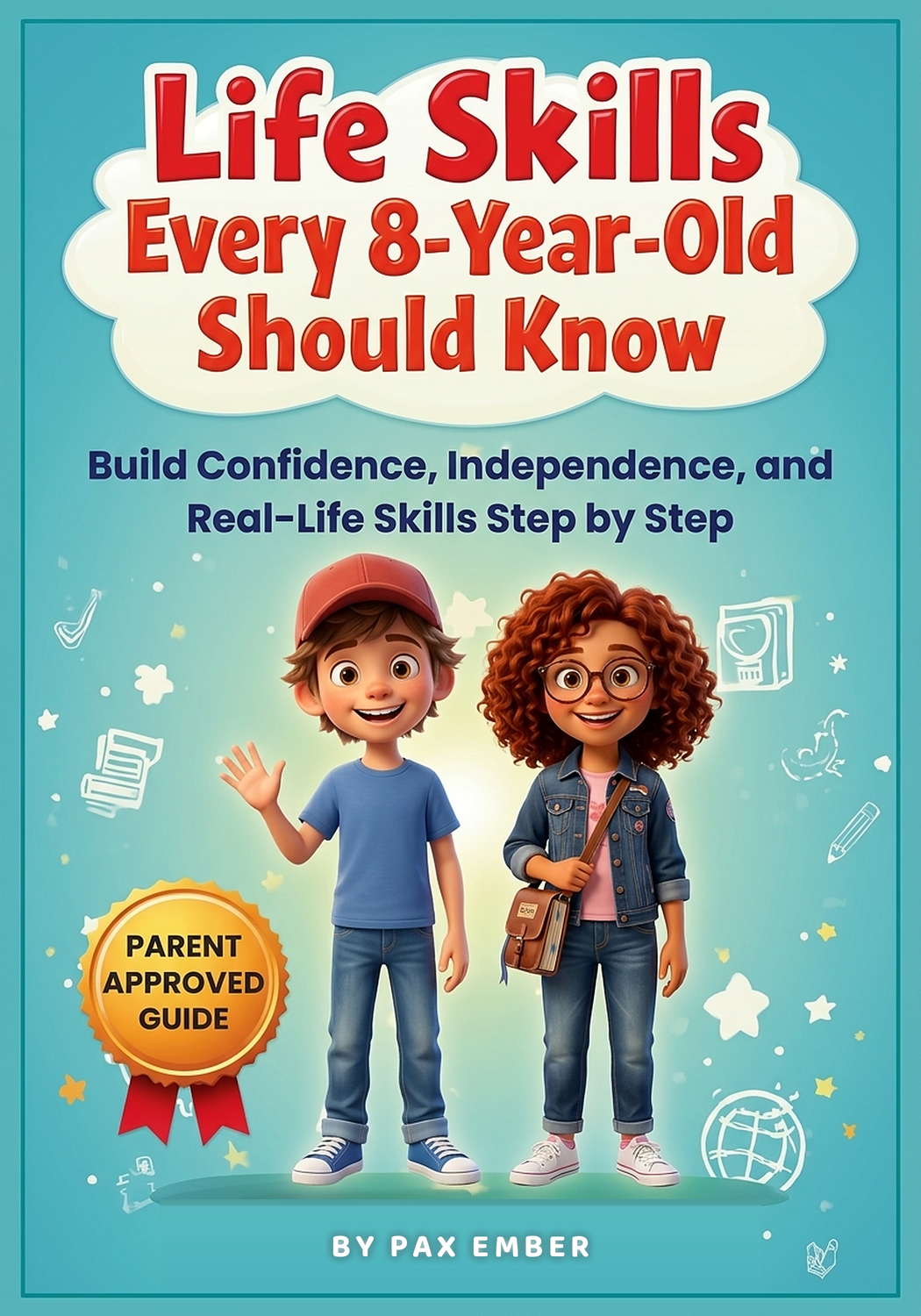
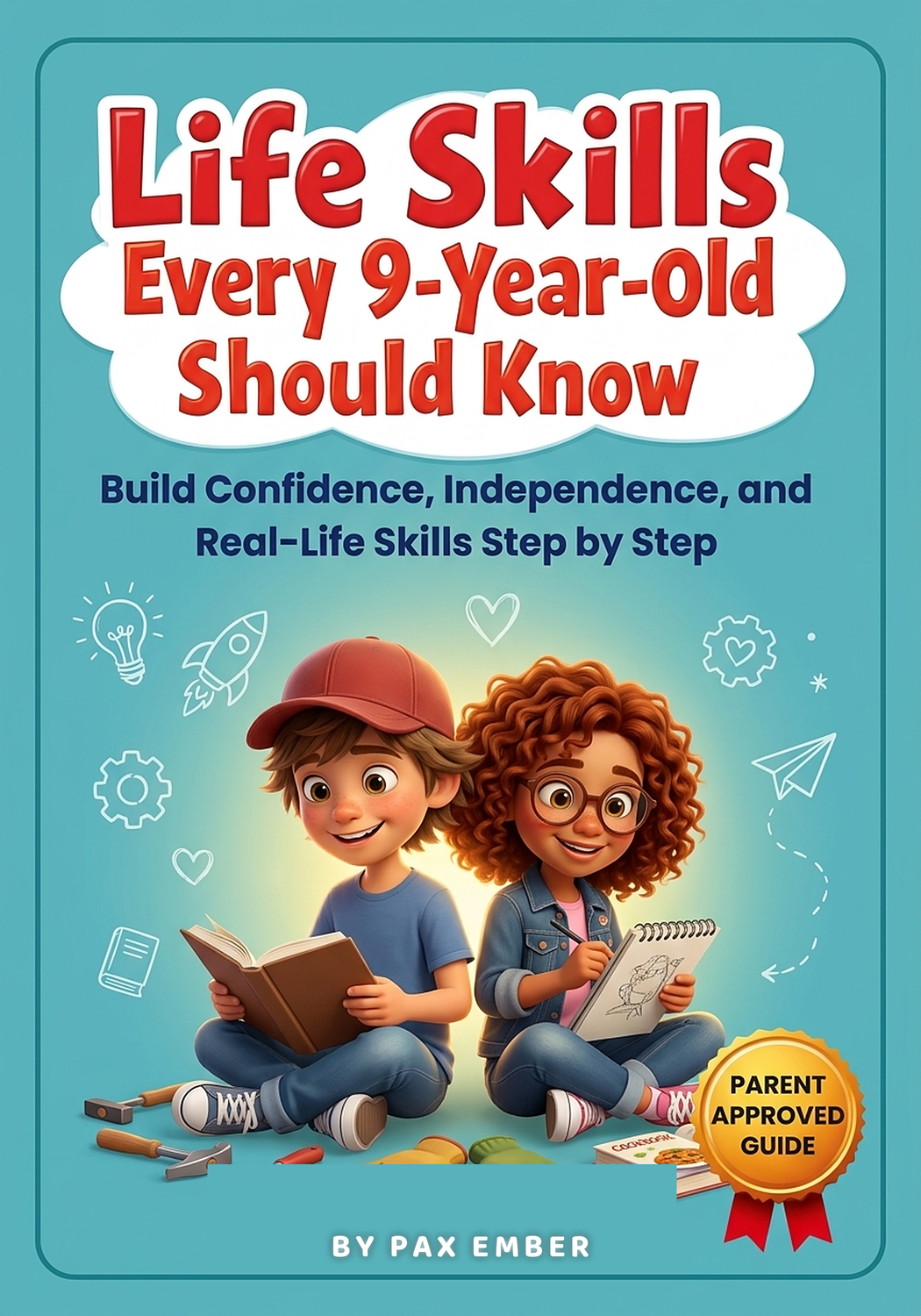
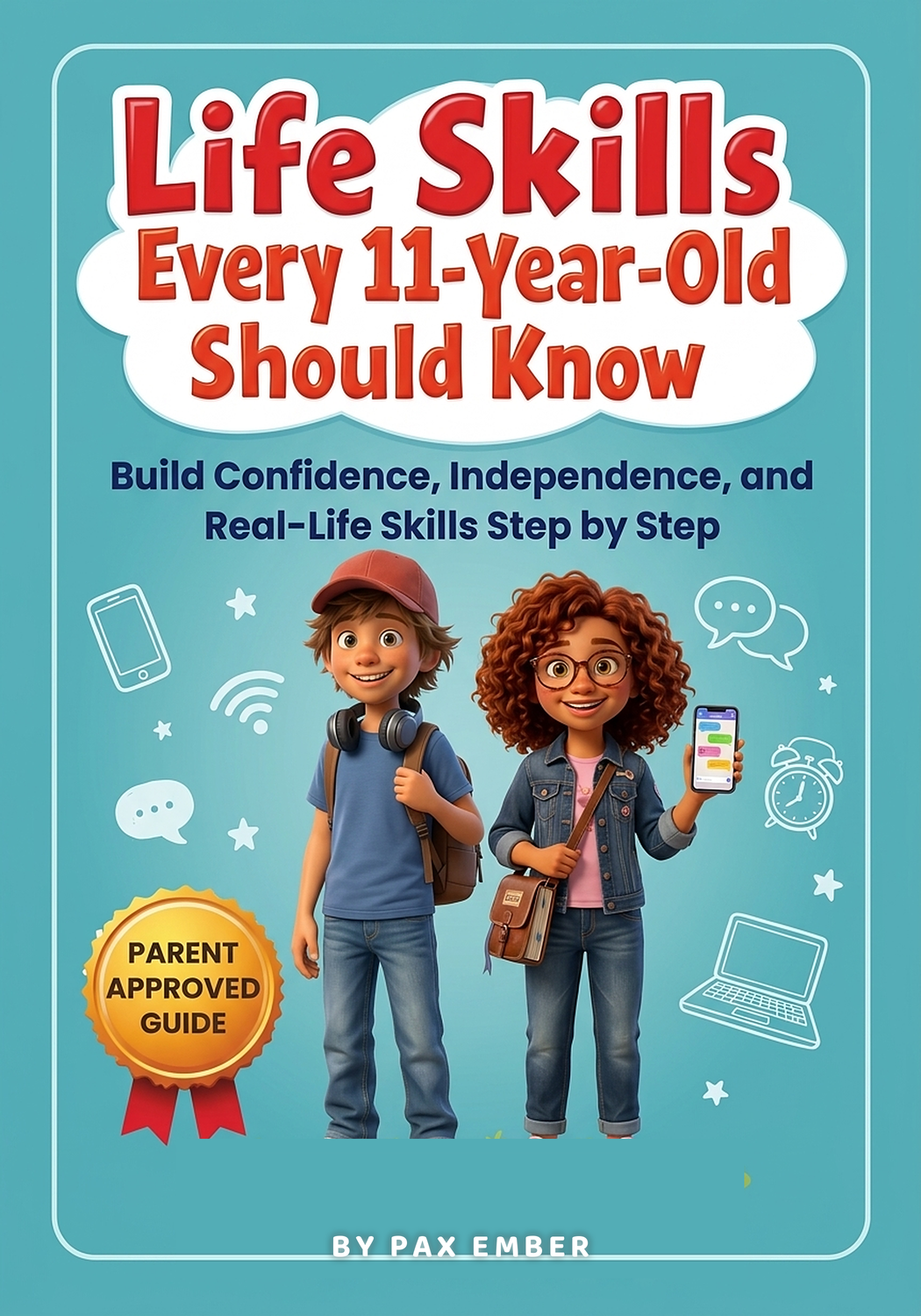
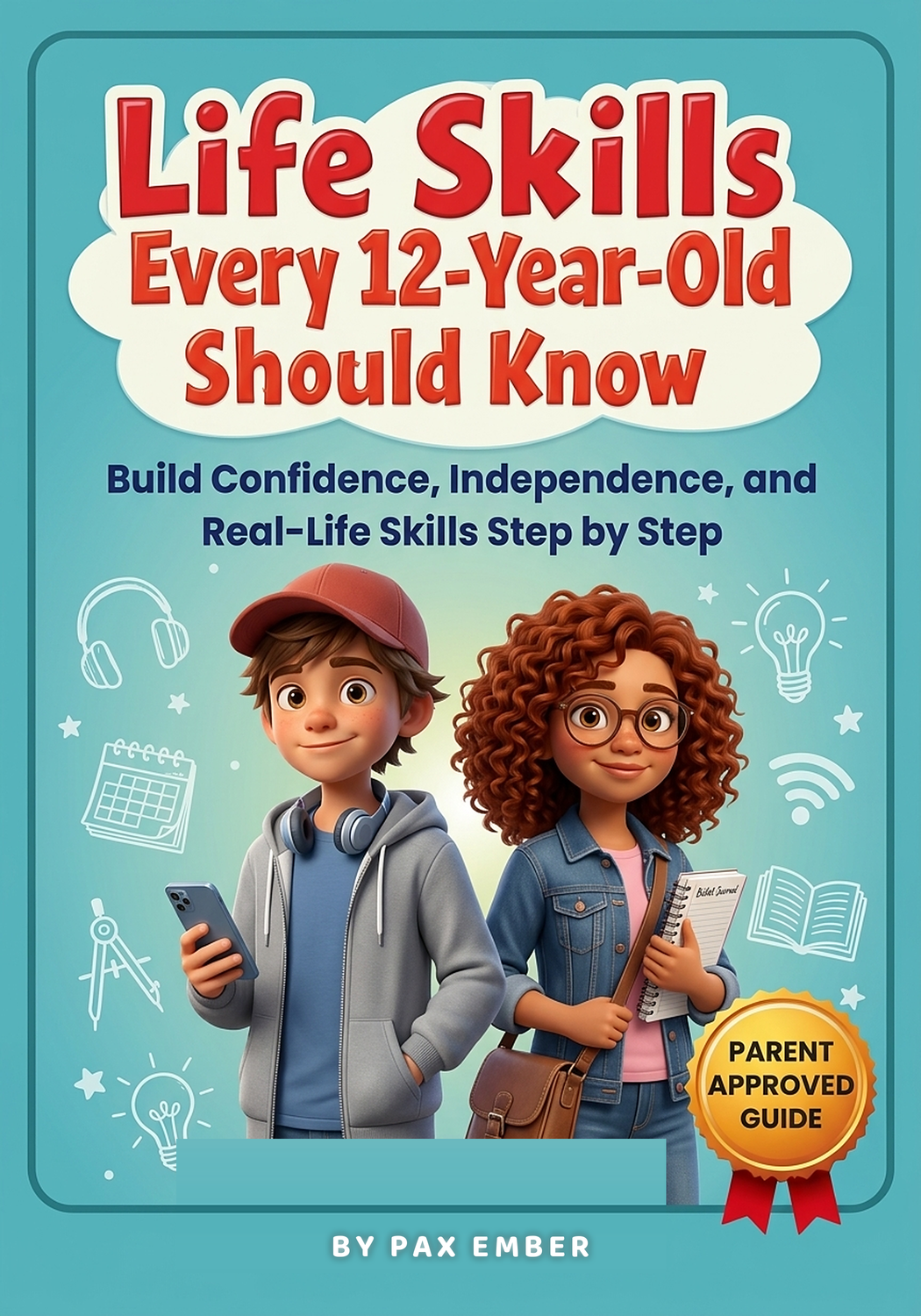
The topic books
Some skills are big enough to earn a whole book of their own. Each topic book fits any age in the 8 to 12 range:
- Money Skills for Kids: earning, saving, spending, and giving with a clear head
- Social Skills for Boys: making friends, reading a room, and repairing things when they go sideways
- Big Feelings, Real Tools: real tools for anger, worry, and the big emotions
- AI Skills for Kids: what AI is, how to use it well, and how to think for yourself while you do
How every book works
- Short chapters, written to the kid. Direct, funny, and respectful of their intelligence.
- Hands-On Missions. Every chapter ends with something they actually do, with success criteria to check off.
- Parent Corner. Your pages: what the skill looks like at this age, what to say instead of a lecture, and one dinner-table question.
- Built for tables, not tablets. Real paper, real pencils, real life.
The younger books (8 to 10) ride with three friendly guides, a fox, a snow leopard, and a red panda. The tween books (11 and 12) drop the characters for a cleaner, more grown feel, because a twelve-year-old can smell a book written for little kids from across the room.
Questions parents ask
What life skills should kids learn by 12?
Real routines they run themselves, basic cooking and laundry, money basics, making and repairing friendships, handling big feelings, speaking up to adults, and using screens and AI with their brain on. The ladder walks all of it in age-sized steps.
Where should my child start?
At their age, right now. Every book stands alone; nobody needs to backfill earlier years.
Workbook or reading book?
Both: chapters they read, missions they do. The doing is where the skill lands.
Do teachers use these?
Yes. The chapter-plus-mission structure drops into a weekly life-skills block or homeschool unit cleanly, and missions work as take-home family assignments.
Get the free Life Skills Toolkit
Printable first missions, the skills-by-age checklist, and new-book news for raising capable kids.